IV Hydration Therapy
1/2/2026
IV Hydration Therapy in Goodyear, AZ: Restore, Refresh, and Revive at Revive Medical Care
Feeling drained after the holiday rush? As 2025 winds down, prioritize your well-being with IV hydration therapy at Revive Medical Care in Goodyear, AZ. Whether you're a high performer, athlete, or pastor, our treatments offer a quick and effective way to rehydrate, recharge, and recover so you can start the new year strong.
IV therapy delivers essential fluids, vitamins, minerals, and antioxidants directly into your bloodstream, bypassing the digestive system for 100% absorption. This means faster rehydration, increased energy levels to boost productivity, and quicker muscle recovery after intense workouts. The global IV hydration therapy market is booming, projected to reach $5.66 billion by 2033, showing its increasing popularity and effectiveness.
Experience the Revive Medical Care difference. Our tailored IV drips can help you combat fatigue, strengthen your immune system, and enhance your overall vitality. Schedule your appointment today and discover how IV hydration can help you restore, refresh, and revive your body and mind. Call us now to rehydrate, recharge, and recover!
12/21/2025
First Timer’s Guide to IV Therapy: What to Expect from Your IV Drip Appointment
Feeling drained after that intense workout? Battling brain fog after a long week? Or maybe you're just trying to bounce back from a nasty bug? If you're an athlete, a busy professional, a frequent traveler, or simply someone who values feeling their best, you've probably heard the buzz about IV therapy. IV hydration therapy is rapidly gaining popularity as a quick and efficient way to rehydrate, replenish nutrients, and boost overall wellness. The intravenous hydration therapy market has experienced remarkable growth, with the global market reaching USD 2.71 billion in 2024 and projected to surpass USD 5.84 billion by 2034, expanding at a compound annual growth rate of 7.98% from 2025 to 2034[1].
But if you're new to the world of IV drips, it's natural to have questions. What exactly is IV therapy? What are the benefits? What can you expect during your first appointment? And, most importantly, is it right for you? This comprehensive guide will walk you through everything you need to know about IV therapy, so you can make an informed decision about whether it's the right choice for your health and wellness goals. We'll cover the benefits of IV hydration for athletes, compare IV therapy to oral supplements, explore the potential of NAD+ IV for brain fog and fatigue, and address important safety considerations. Let's dive in! And if you're in the Phoenix, Arizona area, we'll also point you in the right direction for quality IV therapy services, including a clinic in Goodyear, Arizona.
The Rise of IV Therapy as a Mainstream Wellness Treatment
The dramatic growth in the IV hydration therapy market reflects broader consumer trends toward personalized, convenient health solutions. North America dominated the global market with the largest share of 47% in 2024, with the United States specifically representing USD 1.11 billion of the market in 2024 and anticipated to reach around USD 2.43 billion by 2034, growing at a CAGR of 8.15% from 2025 to 2034[1]. The driving factors behind this expansion include rising demand for preventative and wellness services, the growing popularity of in-home and mobile IV services for convenience, and increased consumer awareness of the differences between IV and oral nutrient absorption [1]. What was once reserved primarily for hospital settings and clinical emergencies—such as treating severe dehydration, heat illness, or electrolyte imbalances—has evolved into a diverse wellness ecosystem offering treatments for hangover recovery, jet lag relief, athletic performance optimization, immune support, and energy enhancement.
The market segmentation reveals interesting patterns about consumer preferences. By service type, energy boosters accounted for the highest market share of 27% in 2024, while skin care emerged as the fastest-growing segment during the forecast period [1]. This split reflects two distinct consumer motivations: those seeking functional benefits like increased energy and athletic recovery, and those pursuing aesthetic and anti-aging benefits. The growing preference for home-based and mobile IV services further underscores consumer demand for convenience. By end-use, hospitals and clinics contributed the largest market share of 44% in 2024, yet the home healthcare segment is expanding significantly, demonstrating that people increasingly prefer receiving IV therapy in their homes, offices, or hotels rather than traveling to medical facilities [1]. This accessibility shift has dramatically lowered barriers to trying IV therapy for the first time.
The Athletic Performance Revolution: Why IV Hydration Matters for Active Adults
For athletes and active individuals, understanding IV hydration's role in performance and recovery represents a critical aspect of modern training science. The fundamental advantage of intravenous fluid delivery lies in speed and completeness of rehydration. Unlike oral rehydration, which depends on gastrointestinal absorption and can be limited by stomach capacity and digestive efficiency, IV fluids bypass the entire digestive system and deliver fluids and electrolytes directly into the bloodstream where they are immediately available to tissues and cells [2][7]. This distinction becomes critically important when an athlete needs rapid rehydration between multiple training sessions, competitions on the same day, or when gastrointestinal distress prevents adequate oral intake.
The physiological mechanisms underlying IV rehydration's effectiveness relate to how the body distributes and utilizes fluids. IV administration restores plasma volume—the liquid portion of blood—more rapidly than oral intake, typically achieving measurable plasma volume restoration within minutes rather than the 15-60 minutes required for most oral fluids to be absorbed and distributed [5][40]. This rapid plasma volume expansion can help maintain cardiovascular stability during intense exertion and support the body's thermoregulation systems, which depend on adequate fluid in the bloodstream to transport heat away from working muscles [16]. For endurance athletes competing in heat, where sweat losses can exceed 1-2 liters per hour, this rapid restoration mechanism addresses a genuine physiological need that oral supplementation struggles to meet in real-time.
However, the scientific evidence regarding IV hydration's impact on actual athletic performance is more nuanced than marketing materials often suggest. While IV rehydration does achieve faster plasma volume restoration than oral rehydration, multiple studies comparing IV versus oral rehydration show that this speed advantage does not necessarily translate into measurable performance improvements in most situations [5]. One key study comparing IV versus oral rehydration on same-day bouts of exercise found more rapid restoration of plasma volume in the IV treatment group but detected no advantages over oral rehydration in physiological strain, heat tolerance, ratings of perceived effort, or thermal sensations [40]. Another investigation examining the effects of IV or oral rehydration on perceived exertion and thirst after a dehydration period found that oral rehydration actually improved ratings for physical effort and thirst compared to IV treatment [5][58]. This apparent paradox—IV is faster but not necessarily better—reflects an important reality: for most athletes with adequate time to rehydrate, proper oral intake of electrolyte-containing beverages achieves comparable physiological outcomes to IV therapy [5].
This does not, however, diminish IV therapy's value in specific athletic scenarios where time constraints, gastrointestinal issues, or severe dehydration create genuine limitations for oral intake. Athletes competing in multiple events on the same day or facing stacked training sessions separated by only a few hours represent an ideal use case for IV rehydration [5][20]. In these situations, IV therapy's speed becomes functionally valuable—an athlete might ingest insufficient fluids during a short recovery window due to stomach distension or discomfort, while IV fluids could achieve complete rehydration in 20-30 minutes. Similarly, athletes who experience nausea, vomiting, or diarrhea during or after intense exertion may find IV therapy necessary when oral intake becomes impossible [5][20]. The American College of Sports Medicine's consensus position reflects this evidence-based approach: IV fluids are appropriate for athletes with severe dehydration exceeding seven percent body weight loss, those experiencing exertional heat illness, individuals with nausea or vomiting that prevents oral intake, and those who cannot ingest oral fluids for other medical reasons [5]. For most other athletic situations, oral rehydration containing appropriate electrolyte and carbohydrate concentrations remains the evidence-based standard [5].
The specific composition of IV fluids administered to athletes matters significantly. A typical athletic IV hydration protocol includes isotonic saline solution (0.9% sodium chloride) combined with electrolytes like potassium and magnesium, often with added glucose or dextrose to support energy systems [5][2]. Some clinics offer enhanced formulations incorporating B vitamins for energy metabolism, amino acids for muscle recovery, and antioxidants like glutathione for reducing exercise-induced oxidative stress [2][27]. The rationale for these additions stems from research showing that intensive training depletes B vitamins, amino acid pools, and antioxidant defenses; however, the evidence that replenishing these nutrients via IV—versus through proper oral nutrition—produces performance benefits remains limited for healthy athletes with adequate nutritional intake [5][30].
One critical consideration for competitive athletes involves anti-doping regulations. The World Anti-Doping Agency (WADA) restricts IV fluid administration to no more than 50 mL per six-hour period unless the athlete receives treatment in a hospital, undergoes clinical investigation, or has documented medical necessity [37][40]. This restriction exists because IV fluids can theoretically be used to dilute blood markers or manipulate the Athlete Biological Passport. Even routine post-workout recovery IV infusions exceeding 100 mL per 12 hours without a Therapeutic Use Exemption (TUE) constitute an anti-doping violation, as illustrated by the case of mixed martial artist Jon Jones, who received a one-year suspension in 2016 for an IV infusion violation [37]. Athletes competing at professional or elite levels must therefore either maintain strict compliance with WADA limits, obtain appropriate TUEs for medically necessary IV therapy, or risk suspension.
Comparing IV Therapy to Oral Supplementation: Understanding Absorption, Efficacy, and Safety
The central appeal of intravenous nutrient therapy rests on a fundamental physiological difference: absorption rate and bioavailability. When vitamins, minerals, or other nutrients are consumed orally—whether as tablets, capsules, powders, or liquids—they must traverse the gastrointestinal tract, where they encounter stomach acid, digestive enzymes, the intestinal absorption barrier, and first-pass hepatic metabolism before entering systemic circulation [19][30]. This journey introduces multiple points of loss and degradation. Research indicates that oral supplements achieve only 10-30% bioavailability for many nutrients, meaning 70-90% of the ingested dose never reaches the bloodstream in active form [7][10][19]. Some nutrients face particularly severe absorption limitations; for instance, oral vitamin C intake exceeding approximately one-gram experiences significantly diminished absorption due to limited intestinal transporter capacity, with only about ten percent of doses above this threshold being absorbed [19][30].
Intravenous nutrient delivery bypasses these absorption limitations entirely. Nutrients delivered directly into the bloodstream achieve near-complete bioavailability, with essentially 100% of the administered dose entering systemic circulation without passing through the digestive system's filtration and absorption mechanisms [7][10][19][30]. This distinction becomes clinically relevant in specific populations and conditions. Individuals with compromised digestive function—including those with Crohn's disease, celiac disease, irritable bowel syndrome, inflammatory bowel disease, or those recovering from bariatric surgery—experience substantially reduced nutrient absorption through the oral route [19][22]. Post-surgical patients, those undergoing chemotherapy or other treatments affecting digestive function, and individuals with severe malabsorption syndromes represent medically appropriate candidates for IV nutrient therapy when nutritional deficiencies require correction [19][30].
The speed advantage of IV therapy versus oral supplementation represents another meaningful distinction. Oral nutrients typically require 30 minutes to several hours to be absorbed and distributed throughout the body, depending on gastric emptying rates, intestinal transit time, and individual metabolic factors [7][10]. IV nutrient infusions achieve measurable plasma concentration increases within minutes, with peak blood levels typically occurring during or immediately after the infusion, depending on infusion rate [7][19]. For applications like hangover recovery or acute fatigue, this speed difference translates into a meaningful practical advantage—a person seeking rapid relief from a severe hangover might experience symptom improvement within 30-45 minutes of IV hydration and nutrients, whereas similar oral supplementation might require several hours to produce equivalent effects [26]. This speed differential explains much of IV therapy's popularity in wellness contexts where convenience and rapid results carry significant consumer value [7][26].
However, the speed and bioavailability advantages of IV therapy must be contextualized against both cost and medical necessity. Oral supplementation remains far more cost-effective, with quality multivitamin and mineral supplements typically costing $20-50 monthly, whereas IV therapy sessions range from $199-625 depending on the specific formulation and service location [38][41]. For generally healthy individuals with intact gastrointestinal function, adequate nutritional intake, and no documented nutrient deficiencies, evidence supporting IV nutrient therapy benefits remains limited and largely anecdotal [15][30]. The National Institutes of Health and major medical organizations consistently note that oral supplementation provides sufficient nutrient intake for most people when diet and supplementation are planned appropriately [15][30]. IV therapy's appropriate role centers on clinical scenarios with medical justification: treating documented nutrient deficiencies that cannot be addressed through oral intake, supporting individuals with malabsorption disorders, providing rapid hydration in acute dehydration situations, and delivering specific nutrients like high-dose vitamin C that achieve therapeutic concentrations unattainable through oral administration [15][19][30].
When considering high-dose vitamin C administration, the evidence supporting IV delivery becomes stronger. Clinical studies indicate that intravenous vitamin C at doses between 25-50 grams can substantially enhance immune function, reduce inflammation, and reinforce the body's antioxidant defenses [15][30]. Achieving comparable plasma concentrations through oral supplementation would require consuming doses that cause gastrointestinal distress and osmotic diarrhea, effectively limiting the therapeutic utility of oral high-dose vitamin C [15][30]. This represents a legitimate clinical scenario where IV delivery enables therapeutic approaches impossible through oral administration. Similarly, glutathione—a powerful antioxidant and detoxification molecule—has poor oral bioavailability because stomach acid breaks down the peptide bonds holding the amino acids together, rendering oral glutathione largely ineffective [44][47]. IV glutathione administration bypasses this limitation, allowing direct delivery to tissues where it can exert antioxidant and detoxification effects [44][47].
The "Myers' Cocktail," one of the most popular IV nutrient formulations, illustrates both the appeal and complexity of IV vitamin therapy. Developed by Dr. John Myers in the 1950s, this infusion combines magnesium chloride, B-complex vitamins, hydroxo B12, calcium gluconate, ascorbic acid (vitamin C), and saline solution [8][11][41]. The formulation addresses multiple physiological functions through a single infusion: B vitamins support energy metabolism and nervous system function, magnesium supports muscle and nerve function while reducing muscle cramps and spasms, calcium enables muscle contraction and nerve transmission, and vitamin C provides antioxidant support [8][11]. Many patients report feeling benefits—increased energy, improved mood, reduced headaches—shortly after Myers' Cocktail infusions [8][11]. However, rigorous clinical trials specifically evaluating this combination through IV delivery remain limited [11]. Most evidence supporting individual ingredients comes from studies of oral supplementation in nutrient-deficient populations, not from controlled trials of the IV Myers' Cocktail in healthy individuals [11]. The therapy appears well-tolerated by most patients, with mild side effects like temporary discomfort at the infusion site being most common [8][11]. More serious complications including infection, phlebitis, allergic reactions, electrolyte imbalances, and fluid overload can occur, though serious adverse events remain rare when IV therapy is administered by qualified healthcare providers [15][18].
This distinction between clinical effectiveness and wellness marketing proves critical for informed decision-making. IV nutrient therapy demonstrably helps patients with documented deficiencies, malabsorption, or conditions requiring high-dose nutrients unachievable through oral routes. For generally healthy people seeking energy boosts, wellness optimization, or anti-aging effects, the evidence becomes much thinner, with benefits primarily reported as subjective feelings of improved energy or well-being rather than measured physiological improvements [15][30]. This represents an important reality check for marketing claims; a person receiving IV therapy likely feels better because they receive attentive medical care, take time away from their stressful schedule to rest during the infusion, and experience the powerful placebo effects of believing they are receiving a potent health treatment [26][30]. While these psychological and stress-reduction benefits carry genuine value, they differ from demonstrated physiological improvements in nutrient status or disease treatment [30].
Understanding NAD+ Therapy: The Cellular Energy Molecule and Its Potential
Nicotinamide adenine dinucleotide, commonly abbreviated as NAD+, represents one of the most discussed molecules in contemporary anti-aging and wellness discussions, yet it remains poorly understood by most consumers considering NAD+ therapy. At its core, NAD+ functions as a crucial coenzyme found in every living cell, playing instrumental roles in hundreds of metabolic processes including energy production, DNA repair, cell signaling, and cellular stress response [3][6][17]. The molecule operates as an electron carrier in metabolic reactions, essentially serving as a shuttle that enables cells to convert nutrients into ATP, the chemical form of energy that powers cellular functions [3][31][34][48]. When cellular energy production falters due to insufficient NAD+, cells cannot efficiently repair DNA damage, defend against oxidative stress, or maintain mitochondrial function—processes increasingly recognized as fundamental to aging and age-related disease [3][6][31][34].
One of NAD+'s most important functions involves activating sirtuins, often called "longevity genes" because of their roles in cellular stress response, inflammation control, metabolic regulation, and DNA repair [3][34][48]. Sirtuins represent a family of NAD+-dependent proteins that essentially function as cellular caretakers, removing molecular tags from proteins in a process called deacetylation that regulates how those proteins function [6][31]. When NAD+ levels drop—which occurs naturally with age, chronic stress, poor lifestyle choices, and certain illnesses—sirtuin activity declines, and cells lose capacity for efficient repair and stress response [6][14][31]. This decline in NAD+ with aging represents a consistent finding across tissues and species. Research indicates that by age 50, most people possess only approximately 50% of the NAD+ available in their bodies during their twenties, a progressive decline that accelerates with additional decades [34][60].
The connection between declining NAD+ levels and age-related dysfunction provides compelling rationale for NAD+ supplementation strategies. Preclinical research in animal models demonstrates striking results: restoring NAD+ levels in aged mice improves mitochondrial function, enhances physical activity and endurance, improves glucose tolerance and metabolic health, extends lifespan modestly, and even reverses markers of aging in some tissues [6][14][31][60]. One particularly striking animal study found that restoring NAD+ levels in the brains of mice with Alzheimer's disease reversed amyloid and tau buildup and fully restored cognitive function [17]. The researchers were surprised by the robustness of the cognitive reversal even without directly targeting amyloid plaques, suggesting that restoring brain energy balance and cellular stress response mechanisms can reverse cognitive decline independent of addressing the traditional hallmark pathologies of Alzheimer's disease [17].
These compelling animal results have generated intense interest in whether NAD+ supplementation strategies might produce comparable benefits in humans, spurring multiple clinical trials currently underway. A landmark clinical trial called “NADage”, a double-blind, randomized, placebo-controlled study, is currently investigating whether nicotinamide riboside (NR)—a NAD+ precursor—can slow functional decline in frail elderly individuals [57]. This study administers 2000 mg of NR daily to 100 frail participants over 52 weeks, with measurements including gait speed, cognitive function, physical performance, and brain metabolism via advanced imaging [57]. Other ongoing clinical trials are evaluating NAD+ precursors for Alzheimer's disease, Parkinson's disease, heart failure, obesity, type 2 diabetes, and long COVID.
Sources and References
1. https://www.precedenceresearch.com/intravenous-hydration-therapy-market
3. https://www.impnaples.com/post/the-science-behind-nad-iv-therapy-benefits-risks-and-effectiveness
4. https://www.bccresearch.com/pressroom/hlc/intravenous-(iv)-therapy-and-vein-access
5. https://pmc.ncbi.nlm.nih.gov/articles/PMC3435915/
6. https://www.ahajournals.org/doi/10.1161/CIRCULATIONAHA.121.056589
7. https://valuecareclinic.com/iv-hydration-vs-oral-supplements-which-is-more-effective/
8. https://www.empowerpharmacy.com/compound-medication/iv-therapy/what-is-myers-cocktail/
10. https://jeanwalterinfusion.com/iv-vs-oral
11. https://www.olympiapharmacy.com/blog/what-is-myers-cocktail/
13. https://pmc.ncbi.nlm.nih.gov/articles/PMC10674530/
14. https://pmc.ncbi.nlm.nih.gov/articles/PMC7442590/
15. https://pmc.ncbi.nlm.nih.gov/articles/PMC12182718/
16. https://acsm.org/9-facts-about-hydration-electrolytes/
18. https://www.recoverienyc.com/vitamin-iv-therapy-side-effects
19. https://pmc.ncbi.nlm.nih.gov/articles/PMC12182718/
20. https://pmc.ncbi.nlm.nih.gov/articles/PMC3445088/
21. https://www.nextech.com/blog/iv-therapy-laws-by-state
22. https://texasspecialtyclinic.com/blogs/digestive-distress-iv-vitamin-infusions/
23. https://my.clevelandclinic.org/health/diseases/24866-heat-cramps
24. https://pabau.com/blog/how-to-open-an-iv-therapy-clinic/
25. https://csprx.com/pharmacy-blog/infusion-therapy-what-to-expect-and-how-to-prepare/
26. https://skin111.com/blog/hangover-iv-therapy-science-hype
28. https://www.soleohealth.com/blog/how-to-prepare-for-your-first-infusion-therapy/
29. https://www.premiumivtherapy.com/iv-therapy-for-jet-lag-recovering-after-long-flights
30. https://pmc.ncbi.nlm.nih.gov/articles/PMC12182718/
31. https://pmc.ncbi.nlm.nih.gov/articles/PMC8444613/
32. https://ivmastery.com/ivm/
33. https://www.precedenceresearch.com/health-and-wellness-market
34. https://www.myconfidencelab.com/bestie-blog/what-is-nad-therapy
35. https://www.youtube.com/watch?v=dtofCm_p7ds
36. https://www.mckinsey.com/industries/consumer-packaged-goods/our-insights/future-of-wellness-trends
37. https://sportsrxnetwork.com/iv-drips-and-athletes-a-shortcut-to-recovery-or-a-risky-trend/
38. https://mobileivmedics.com/iv-treatment-packages-and-pricing/
39. https://www.ivtherapywa.com/blog/understanding-eligibility-who-should-avoid-elective-iv-drip-therapy
40. https://www.blissmobileiv.com/athletic-performance-iv-infusion
41. https://lonestarivmedics.com/iv-therapy-packages/
42. https://assist.cbamedicine.com/ducument/contraindications-for-iv-therapy/
43. https://vivanamd.com/iv-therapy-session-duration-guide/
44. https://cpmedicalclinic.com/blog/the-benefits-of-glutathione-iv-drips/
45. https://www.jinfiniti.com/nad-injections-vs-oral-nad/
46. https://besoaesthetics.com/medspa-ny/wellness-and-recovery/iv-drip-therapy/
48. https://www.olympiapharmacy.com/blog/nad-oral-vs-injection/
49. https://pmc.ncbi.nlm.nih.gov/articles/PMC3435915/
50. https://www.fda.gov/files/drugs/published/new-drug-therapy-2025-annual-report.pdf
51. https://ivmenowfl.com/amino-acid-ivs/
52. https://pmc.ncbi.nlm.nih.gov/articles/PMC9730682/
53. https://jamanetwork.com/journals/jama/fullarticle/2840178
54. https://pmc.ncbi.nlm.nih.gov/articles/PMC9571679/
56. https://www.olympiapharmacy.com/blog/5-benefits-iv-therapy-for-seniors/
57. https://clinicaltrials.gov/study/NCT06208527
58. https://koreystringer.institute.uconn.edu/hydration/
60. https://www.nad.com/news/nad-and-aging-what-the-latest-research-says
Book A 10-Minute Consultation
Take the first step toward better health with a no-obligation consultation. In this visit, you will get clarity on your goals, honest recommendations, and a personalized plan—without any pressure to commit.
Currently available in: Arizona, Colorado, New Mexico, Florida, Nevada, Utah, Texas, and Washington.
(with More Coming Soon!)
Contact Info
We’re here to help you with all your healthcare needs.
Reach out to us anytime—our friendly team is ready to assist you with appointments, inquiries, and guidance.

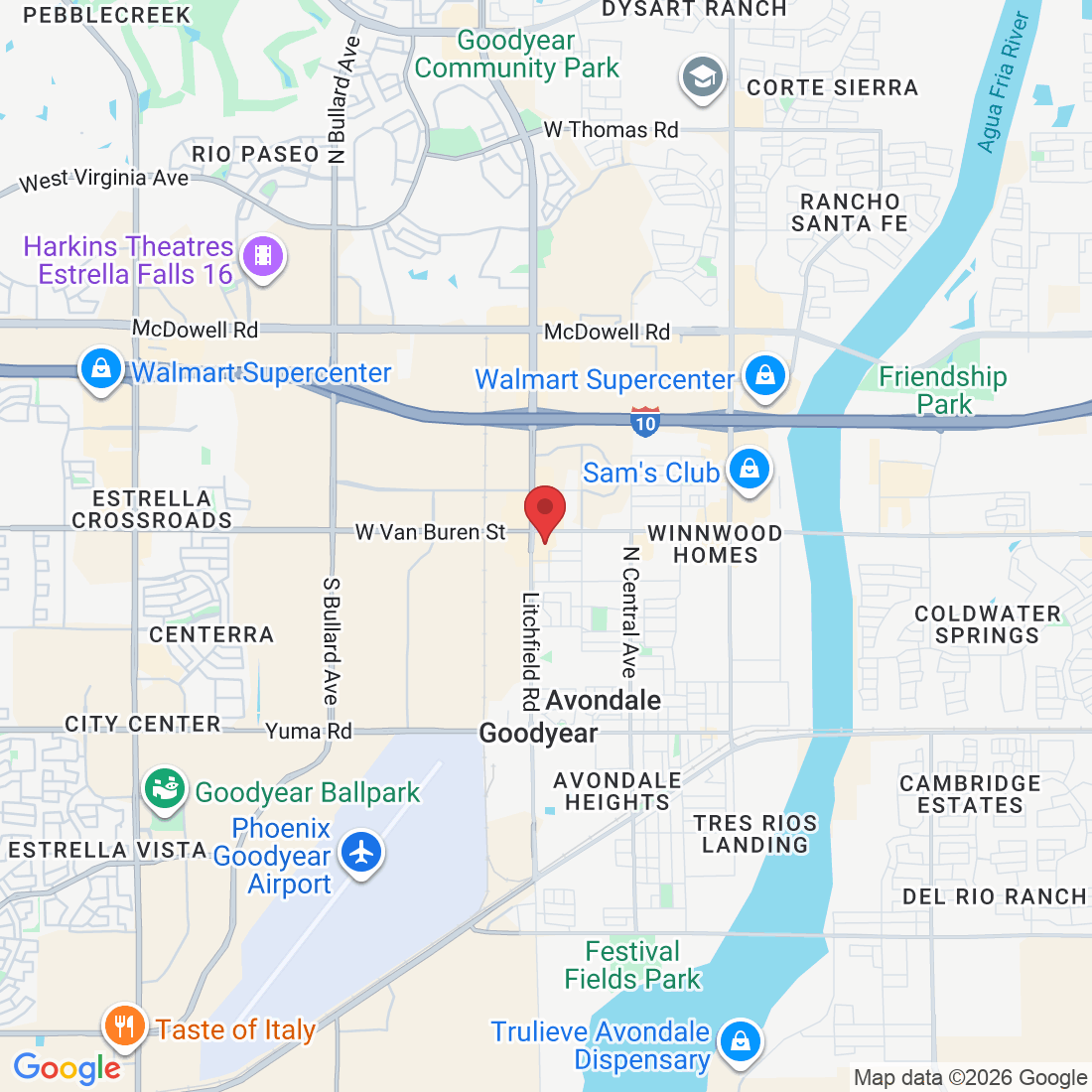
Location
239 N. Litchfield Rd. Goodyear, Az 85338


Phone
(480) 389-7079
Hours
Monday 10:00am to 4:30pm
Tuesday - Friday 9:00am to 3:30pm
Saturday 9:00am to 1:00pm
Sunday - Closed
© 2026 Revive Medical Care. All rights reserved.
John 3:16
Medical Evaluation & Prescriptions
Consultations are performed by licensed healthcare providers who determine if treatment is appropriate. Prescriptions may include FDA-approved medications or compounded formulas, which are not reviewed by the FDA for safety or effectiveness.
Prescription Fulfillment
We work with 503A pharmacies that are licensed by state boards of pharmacy, registered by the FDA, and operate under FDA regulations. Please note: product packaging and labeling may vary from images displayed on our website.
Disclaimer
This website provides general information and does not replace professional medical advice, diagnosis, or treatment. Always consult a licensed provider for medical concerns. All care decisions are made solely by the prescribing clinician.
Instagram
TikTok
Facebook